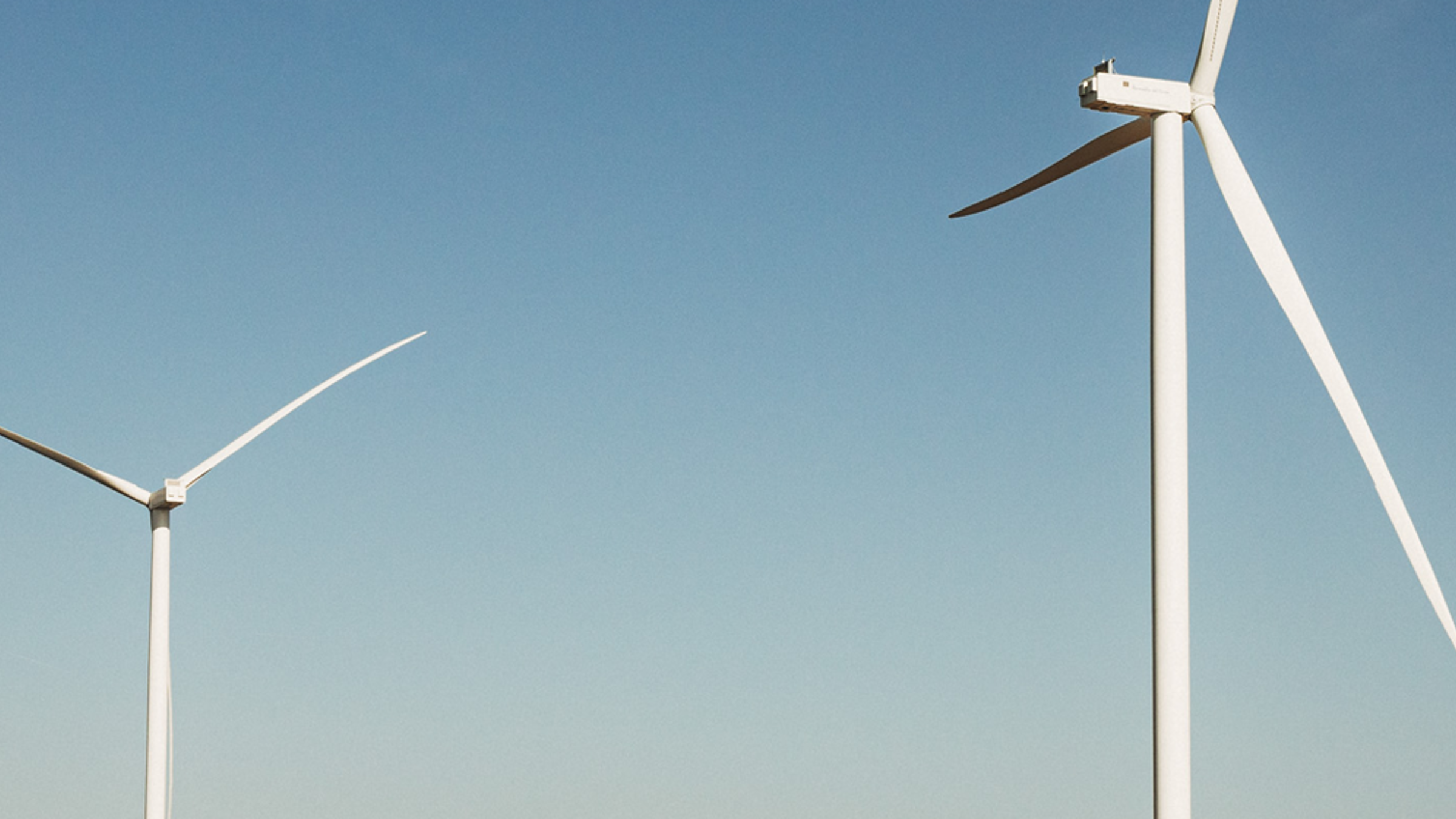
Artfield Forest Wind Farm
Artfield Forest Wind Farm is a consented (Energy Consents Unit Reference: ECU00003245) 12-wind turbine project, located approximately 8km northeast of Glenluce. Following a change in the original grid connection date from 2027 to 2030, we are now proposing an updated scheme of 12 turbines with a maximum height of 200 metres to blade tip, to maximise the energy output of the site (an increase from the consented 180m). The number of turbines and turbine locations would not change. In June 2025, we held public consultation events for our updted proposals in Kirkcowan and New Luce.
We reduced the original plans from 20 turbines to 12 turbines via the design process, after feedback from the community and statutory bodies. Dumfries & Galloway Council’s Planning Applications Committee unanimously ‘raised no objection’ to the plans and the project received no statutory consultee objections.
The consented wind farm with a total installed capacity of 67.2MW will have a community benefit fund of £336,000 per annum to the local area. The updated design is for up to 85.8MW, meaning the community benefit fund could increase to £429,000 per annum - an additional £93,000 per annum in community funds.
All planning documents for the consented development are available to view in the S36 Planning Application Documents folder. You can also view the Non Technical summary document or a summary presentation in the project documents folder for an overview of the project.
Project timeline
Articles

The project team

Steve Reid
Principal Project Manager

Joseph Ogunjobi
Development Comms Manager
 |
 |